



Blog / Sell My Car

Frequently Asked Questions About Selling Your Car

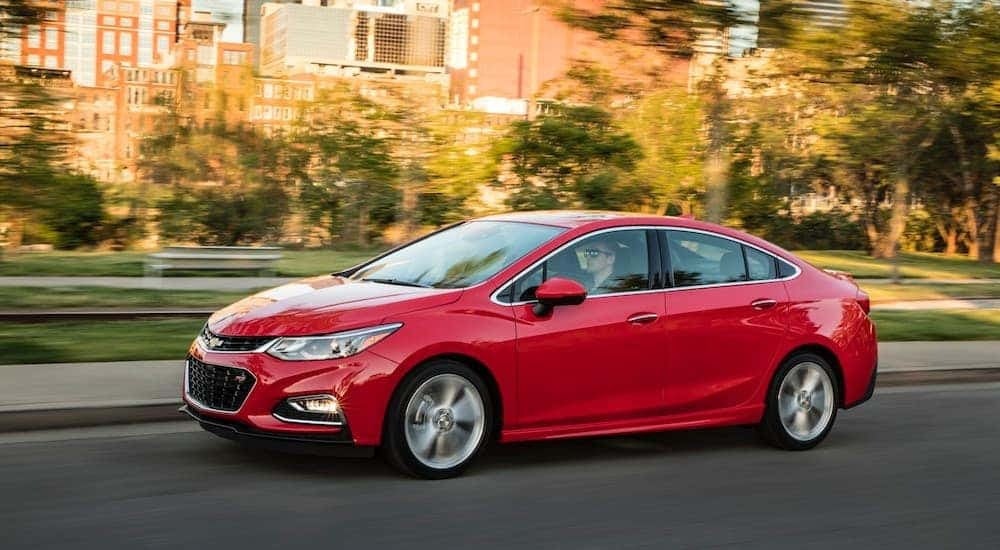
A red 2016 Chevy Cruze is shown from the side on a city street.

In the housing market, there's a time when it's best for sellers and a time when interest rates are low and buyers are in control. The automotive industry is pretty similar, with dealerships ready to help when you want to sell your car. At Edwards Chevrolet 280, we have an entire team focused on helping you get the most from your trade, allowing you to upgrade to a vehicle that better fits your needs.

Selling your car to a dealer can be a good idea for multiple reasons. First and foremost, the process is streamlined and stress-free. At Edwards Chevrolet 280, we handle the paperwork, ensure ownership is transferred correctly, and take care of all the legal and administrative tasks. Second, we have an extensive network of possible buyers, including retail customers and wholesalers, making it easier for you to get a fair price for your car. We can also give you good deals on trade-ins, so you can use the value of your old car to help pay for a new one. Plus, selling to our team eliminates the need to negotiate with private buyers or worry about scams. So, if you've been wondering, "How can I sell my car," then read on, get privy, and stop by to talk to our team.
Someone is shown doing paperwork after researching how to 'sell my car'

Preparing to Sell or Trade In Your Vehicle

If you're considering selling or trading your vehicle to a dealership, you're not the only one. Many car owners go this route when they want to buy a new car. But before you hand over the keys, you need to make sure your vehicle is in the best shape possible to get the best price. You also need to determine why you should make a switch.

Do you need a car with better gas mileage for commuting? Or one that has more towing capability or cargo space when you take the family to Oak Mountain State Park? Knowing the “why” of selling or trading your vehicle is a critical first step. Once you’ve established that and what vehicles might better suit you, you can move on to the next steps.

Get Your Paperwork Together

Gather all the information you need before selling or trading your car. This includes the title, the owner's manual, maintenance receipts, and any records of the warranty. These papers can speed up the process and give a sense that you've taken good care of your vehicle. This step is particularly important concerning maintenance, as service records prove you've properly cared for your vehicle, helping maintain its value.

Wash and Clean Your Car

When selling a car, first impressions are key, especially considering that a clean, well-kept vehicle might bring in more value. Whether you opt to clean it yourself or have a professional do it, you need to focus on the inside and outside to make the most of your efforts.

Clean the carpet with a vacuum to remove dirt, dust, and pet hair. Wipe down every surface, including the steering wheel, center console, door panels, and dashboard. Clean and condition leather or vinyl seats; for cloth seats, use a fabric cleaner. Empty and clean all storage spaces, like the glove box and center panel. Clean the outside well, including the tires and wheels. Use wax or polish to add shine and protect the paint. Don't forget the inside and outside of the windows and mirrors!

Consider Fixing Small Issues

When selling or trading your car, it can help a lot to fix things like dents, scratches, or worn-out parts like brake pads or window wipers. In addition, make sure that all the lights work, including the turn signals. These small changes can make a big difference in how people evaluate your car. Remember, the condition of your car says a lot about how you've cared for it, and attention to detail is worth more.

Get a Pre-Inspection

Having a trusted mechanic assess your car before selling it might be a good idea. They can find any problems that you might have missed and give you a written report that you can pass on to our team. Knowing what your vehicle needs also gives you a good understanding of what it might be worth.

Research Value

Speaking of how much your car is worth, it's essential to research its value. Use our online tool to help with this, entering basic information like make, model, year, mileage, and condition, among other things. To receive a fair estimate, it's important to be honest when inputting the information. Once you know what your vehicle is worth, you can check our inventory to see what cars you can trade for.

Contact Our Team

After you've done your homework, it's time to contact our team. At Edwards Chevrolet 280, we're dedicated to helping you find the vehicle that fits your needs and offer a personalized approach. Our friendly and knowledgeable team can explore your options, answer any questions, and address any concerns. We also have a dedicated finance team to help you understand loan rates and how we assess value to ensure you get the best possible deal.
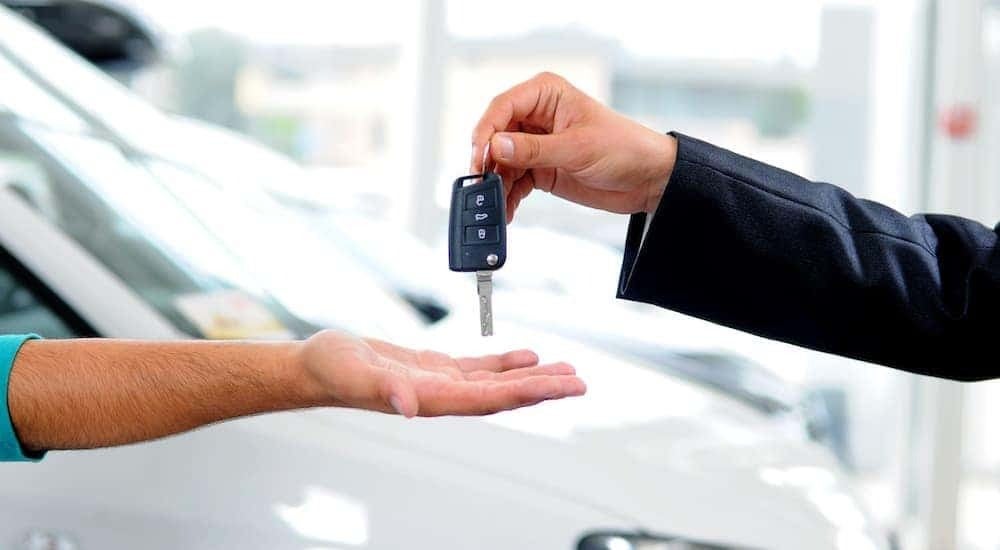
Keys are shown exchanging hands at a dealership.

FAQ for Selling or Trading Your Vehicle to a Dealership

We understand that your time is valuable, which is why we make the process of selling your used car hassle-free. It helps that we've worked with customers in the Birmingham area for years and are dedicated to providing you with the best offers and options for trading and upgrading your vehicle. The following are questions we're frequently asked regarding this process.

Q: What is the first step to selling my car at Edwards Chevrolet 280?

After you've followed the steps above, contact our team to get an appraisal of your vehicle. This should closely match the value you obtained using our online tool as long as the information provided is accurate. Once you've received our appraisal, you can negotiate or accept it. We want you to feel comfortable with the transaction, which is why we want you to ask questions and haggle for the best deal.

Q: Can I sell my car even though I still owe money on it?

Certainly. The best-case scenario is that you have positive equity in the car, allowing you to trade it and put that equity toward your new vehicle. Our team will handle paying off your current loan to eliminate extra steps for you. If you don't have positive equity, we can roll the excess into your new car loan; our finance team can explain exactly how this works so you feel comfortable moving forward.

Q: When can I sell or trade in my car?

The short answer is that you can do this anytime during your ownership. However, waiting until you have positive equity is best, as this allows you to get the best possible deal.

Q: Do I need a down payment?

In many instances, having a down payment helps you get the best deal. If you have equity in your vehicle, this is used as the down payment. If not, our team can discuss your options to determine next steps.

Talk to Our Team Today About Selling or Trading Your Vehicle

Preparing your car for sale or trade might take some work, but the benefits are undoubtedly worth it. A well-kept and clean vehicle will sell for more money and show that you've maintained it. By following the steps above, you can get the most from your current vehicle and move into a car that fits your needs.

If you have questions about the process, contact our team. We'll take the time to help you understand the process and explore our inventory to find vehicles that might suit you better. Our extensive selection includes Certified Pre-Owned vehicles and an entire section of cars under $20k, allowing you to get a good deal and be budget-friendly. Not only that, but we provide two years of complimentary scheduled maintenance with every new or used vehicle purchased.

At Edwards Chevrolet 280, we boast a great selection, a friendly team, and a hassle-free way to upgrade to the car of your dreams.


Posted in:

Related Posts

A row of white cars are shown parked at a dealership.

Benefits of Selling Your Car to a Dealership vs Selling On Your Own

Life’s hustle and bustle can make selling your car feel like a hassle. While the idea seems simple, the task at hand can be quite large and quickly become overwhelming. However, what if there were a simpler solution? One that took the guesswork out of selling your car? more When you type in your search engine ‘ sell my car,’ you’re sure to come across two distinct options: either selling it yourself or selling it to a dealership. We’ve already established that selling your vehicle yourself can take many hours and isn’t as easy as it appears; from pricing your vehicle to waiting for the ideal buyer to handling the paperwork, who has the time? The second route you can take is selling your vehicle to a dealer. If you didn’t know, many dealerships buy cars and put cash in your pocket the same day. No, you don’t have to trade in or buy a car from them if you’re not in the market for it, either. How good does that sound? Dealerships make a living from buying and selling, so they know more than a thing or two when it comes to pricing your vehicle and giving you a great deal. Do you want to maximize your convenience and reduce the hassle of selling your car? Before you decide, check out the great benefits of selling your vehicle to a dealership as opposed to selling it yourself. Why Sell to a Dealership? Let’s just get right into it: why sell to a dealership? The biggest reason for many is the convenience factor. From pricing to paperwork, the auto experts know what they’re doing. Working with a dealership streamlines the entire selling process so you can relax and let them take care of the details. Simply clean your car and remove personal items, gather your paperwork, and stop by a dealer. Once there, the dealership will give your car a quick inspection, and a team member will go over your paperwork to ensure it’s all in order. Taking into consideration factors like age, mileage, wear, and tear, the dealer will be able to calculate an offer for you. Sound good? Even better, they will handle the title transfer and paperwork, so all you have to do is sign on the bottom line. While many people may say selling yourself will put more money in your pocket, it’s good to consider other factors as well. It’s true: dealers often pay wholesale prices, not retail, so you may, in the long run, get more cash in your pocket selling privately. However, working with a dealer when it comes to selling your car is safe and reliable; you never have to worry about a potential buyer not showing up or haggling when it comes to price. Working with a team from an auto dealership means you know what to expect while knowing the sale will be done quickly and easily. Getting peace of mind that everything has been handled legally and correctly is priceless. A dealer takes the guesswork out of selling your car; you don’t have to wonder when and how much you’re going to get like you would if you were selling it yourself. Simply take your vehicle to the dealer and get cash in your pocket. What’s not to love? Maximizing the Value of Your Vehicle Selling your vehicle to a dealership opens up the doors to many options for drivers. It’s in a dealer’s best interest to provide transparent and fair pricing for drivers, and it’s easy to research your vehicle’s worth before visiting the dealer; this will give you a good idea of what your vehicle is worth and how much you can expect to be offered. Doing a little homework ensures that you'll keep your expectations realistic but will also help you know a fair price when you see one. What if you’re not exactly looking for just money in your pocket? What if you’re thinking about investing in a new vehicle? Selling your vehicle to a dealership can speed up the buying process if you’re thinking of upgrading. Dealerships work with sellers to offer a great trade-in price so you can put that toward a new vehicle. Selling and then buying from the same dealership is a time saver! They handle the money and paperwork, and before you know it, you’re driving away in your dream car feeling great about your new investment. Having your car washed and detailed is a great way to get an excellent trade-in value. If there are small mechanical issues like a fluid leak or your A/C isn’t as cold as it used to be, having these items fixed can also go a long way toward the overall value of your trade-in. Dealerships Keep Things Simple Want to keep things simple? Go with a dealership when the time comes to sell your vehicle. They'll take the guesswork out of selling, and drivers can get cash in their pockets faster than by selling privately. What if you inherited a vehicle and don’t need it? Maybe you moved closer to work and no longer commute on a daily basis. If you don’t need your vehicle or you wish to sell an extra one, bring it to a dealership. Onsite technicians will perform a multi-point inspection to evaluate it. Whether you’re not sure about the condition of the car or you’re busy and don’t have the time to take it in beforehand, just bring it to the dealer when you’re ready to sell, and they'll give it a look-over for you. Let’s face it: a large dealership has more reach in marketing and selling than does a private individual. Many drivers prefer to buy from a dealer because of the security it gives them and the ease of the transaction. When you sell privately, you can’t reach as many people, and you never know how long it will take to sell your vehicle. If you don’t have time to spare catering to potential buyers or would like to put some money in the bank now, selling to a professional is a smart choice. It’s All Good Ready to upgrade your ride? Or do you just want that underused car out of the driveway? Don’t waste time and money trying to do it yourself when auto dealerships can make it quick and easy. Selling your vehicle to a dealership has many benefits that outweigh any cons. Many drivers might be tempted to sell their vehicles themselves, hoping to get more money. However, when you weigh the cost of your time and frustration, a few more hundred bucks might not be worth it. You might not find the right buyer, or it could take many months before you sell. Selling privately means you handle the burden of waiting around for potential buyers, the cost of advertising, and the paperwork. Going to a dealership means you can come in and get paid the same day. A dealership knows what to look for and what to offer and will take care of the paperwork for you. That means all you have to do is enjoy the profit and go on with your day. Avoid rough patches in selling your vehicle, go with a dealership you trust, and get the most from the sale. Whether you’re looking to sell, save, or trade up for a new ride, selling your car to a dealership is a wise way to get money in your pocket hassle-free!

A key fob is shown near a pen after deciding to "sell my car".

Understanding the Economics of Trading In or Selling Your Vehicle

Almost everyone faces the decision to purchase a new means of transportation at one time or another. Suppose you already own a vehicle and have decided that you need an upgrade. Be it something with more seating or storage, better fuel economy, or just something that better appeals to your preferences and style, trading in or selling your vehicle to offset the costs of a new car might be something you’re considering. more Whether you’re looking to “trade in to trade up,” or you’ve finally told yourself that “It’s time to sell my car,” there’s quite a bit of information that relates to the economics of this matter. Today, we’ll be going over the different aspects of this situation, such as resale value, depreciation, and equity. We hope to help you decide what works best for you by providing a detailed overview of the economics of selling a vehicle. Depreciation & Resale Value Before we dive into such topics as equity, we must establish the two main factors that will determine the current value of your vehicle. How much your car is currently worth is known as its resale value, which will vary depending on your car's age and its history; these two factors create what’s known as depreciation. What Is Depreciation? Depreciation is when the original value of your car lowers each year. While every car experiences depreciation, this process is non-linear and depends on the make and model. Some depreciate faster, while others can retain a certain amount of their value for a considerable length of time. The depreciation process begins as soon as you purchase the car and drive it home. The rate at which your car depreciates will differ, but on average, it will retain close to 75% of its resale value after two to three years. Most vehicles don’t drop below the threshold of 50% of their original value until they’ve been on the road for close to six to eight years. As you can see, there are two ways to look at this process. A vehicle that has depreciated by a considerable amount can make for an excellent bargain if you want to obtain an affordable used car. However, it also means you will get less money back when you go to sell or trade-in your current vehicle. Obtaining information regarding its current market value can make a substantial difference if you're looking to sell your car. Publications such as Kelley Blue Book list the market value of most makes and models on the road, giving you a ballpark figure of what your vehicle is worth before you go to sell. Other determining factors that affect your vehicle’s current value include its history, major repairs, and accidents, which we will take into account when we value your car. Understanding How Positive and Negative Equity Work Suppose you’ve seen an advertisement offering you the opportunity to trade in your vehicle as a form of equity to offset the cost of a new car. In that case, it may seem like a tempting prospect. You get to unload what you’re currently driving and have the opportunity to get behind the wheel of something new. What’s not to enjoy from this potential process? Well, the truth is that equity comes in two different forms: positive and negative. Before you consider trading in your car, you must know its current value and determine whether or not it represents positive or negative equity. Let’s examine both to make things somewhat more transparent. What Is Positive Equity? Whether or not you have positive equity in your car can depend on a few factors. If you own your vehicle outright, that is, if you don’t owe any money on an outstanding loan that you used to obtain the car, your positive equity is 100%. This is the best situation to be in. If your current vehicle is in good shape, has been appropriately maintained, and has a clean history, you can expect to get the full market value when you trade it in. If you obtained your car through financing, such as a loan from your bank, you might still have positive equity even if the loan hasn't been paid off in full. Let’s say, for instance, the vehicle you’re driving has a current market value of $14,000, but you still have $6,000 left on the loan you obtained to purchase it. Your positive equity is $8,000 since the remainder of the $14,000 is needed to pay off the loan. What Is Negative Equity? Now that we’ve established positive equity and how it pertains to your vehicle, we’ll explore negative equity. As we did for positive equity, a hypothetical situation is warranted to explain the process thoroughly. For instance, if the value of the vehicle is still $14,000, but you have $16,000 left on your outstanding loan, this is what constitutes negative equity. You will need to pay the $2,000 difference when you sell the vehicle. Having a vehicle with negative equity isn’t necessarily a bad thing, and depending on the situation that you find yourself in, trading in might still be in your best interest. If your current method of transportation is unreliable and in continuous need of upkeep and repairs or offers less than suitable fuel economy for your daily commute, trading it in can mean saving money in the long term. If you have a vehicle with negative equity, you can still trade your vehicle at our dealership. We can even roll over the negative equity into a new car loan, depending on the situation. You should be aware, however, that if this option isn't available, you will have to make a lump sum or continued payments so the original lender will get their money back. Trading Your Vehicle In vs Private Sales With the varying factors that establish equity thoroughly explained, you might think that rather than trade in your current method of transportation, it may seem more ideal to try to sell your vehicle in a private sale. While this is undoubtedly an option, it can often be much more trouble than it’s worth. Engaging in a private sale usually means spending several weeks finding a prospective buyer and dealing with people who are trying to underbid you or even scam you. The process of getting a vehicle ready for a private sale also takes a significant amount of time and money. Detailing, having a CARFAX report prepared for prospective buyers, and having the car inspected beforehand can make the costs add up rather quickly. Bringing your vehicle to our dealership means getting an instant offer and working with a financing department that can advise you on your best options. Trading in at Edwards Chevrolet 280 Trading in a car is undoubtedly more complex than you might have realized initially. This is why at Edwards Chevrolet 280, we’ll go over the process with you. Whether you’re looking for a simple cash offer or are interested in trading in for something new, our financing department will work closely with you and examine the circumstances of your situation to ensure that you get the best offer that works for you. At our dealership, you’ll find an unparalleled selection of new and used vehicles that are held to the highest standards of quality and will allow you to get the most out of each mile you drive.

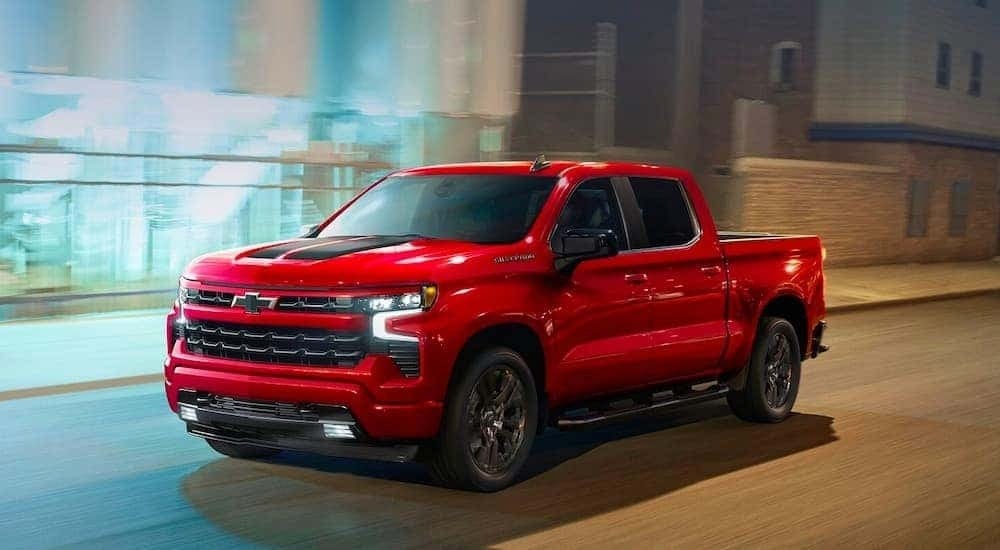
A red 2023 Chevy Silverado 1500 RST is shown driving after the owner searched 'sell my car.'

Why Selling Your Car to a Dealership Is Better Than a Private Buyer

When it comes time to sell your old car and get a new one, many questions can arise, specifically regarding the best way to sell it. Of course, there are multiple routes a person could take for offloading their car for cash. Whether you're planning to get something else or simply want to pursue other means of transportation, there are two main ways to sell a car. Some people will sell their vehicle to a dealership like ours here at Edwards Chevrolet 280, while others will take a different approach and sell it privately. more Selling to a dealer like us and using private sales are different approaches, but you’ll find that selling to a dealership like ours is much easier. With selling to Edwards, you can be sure that you are getting a fair price for your vehicle without having to negotiate. We’ll go by fair market value and will require much less of your time to do so. If you've been wondering, "How should I sell my car?" let us show you how selling it to us is a simple and stress-free option. The Advantages to Selling to a Dealership Like Ours Many people might want to sell their car on their own. However, there are quite a few benefits to selling a vehicle to a dealership instead of doing a private sale. Perhaps the biggest advantage is that selling your car to a dealership saves time. You can sell to a dealership like ours in a matter of hours. This is because there is much less to the process. You simply bring the vehicle by; we’ll evaluate it, ask you some questions, and then make an offer for the vehicle. The process is easy, and you can take the money or use it toward a down payment on your next vehicle. However, selling a vehicle on your own can take much more time. Sure, there are cases when it happens relatively fast, but those are few and far between. It could easily take several weeks or even months to find a buyer who will actually go through with the purchase. Not only that but once you find a buyer, there is no promise they will buy the vehicle immediately. Often, people are looking before they even have the funds available. Another pro to selling a vehicle to a dealership is that it is much less hassle. Selling a car on your own requires a great deal of work. One of the biggest is paperwork. Knowing what paperwork to give the buyer and what to keep is important because documentation is key. This is important because you never know when an issue that requires some form of documentation from you may arise in the future. However, in selling to us, we’ll ensure you retain anything that could be useful in the future. Additionally, we keep everything on file, so you could always ask for a copy. However, this may not be the case with a private buyer. While we can make the buying process easy and take care of the complex parts like paperwork, it is important to prepare your vehicle before bringing it to us. This includes cleaning the interior, running it through the car wash, and possibly getting any scratches or dents fixed. After all, you want your car to make a great first impression. Not getting certain things fixed can lower its selling price. At Edwards Chevrolet 280, we want to give you the best possible offer, so it's important to make sure it's in great condition before bringing it to us. One advantage to selling your car to a dealership that people rarely discuss is that it could save you money on taxes. This is partially the case if you use it as a trade-in. You’ll pay less in tax for your new vehicle. For example, if you plan to buy a $15,000 car and get $5,000 for your trade-in, you will only pay taxes on $10,000 instead of the full cost of the vehicle. This can go a long way in saving money. On the other hand, you may be subject to capital gains tax when making a private sale of your car, particularly if you're selling a rare or classic car. This is the case if you profit from the vehicle based on its overall value. Of course, your income levels and other factors contribute to how much you’ll owe. The Cons of Selling Privately It may seem to some that selling your car privately may be more appealing. Many people feel this way because there is the potential to make more money from the sale. However, as mentioned before, it is more time-consuming. Many who have done it consider it working for free. Sure, it may pay off in the long run, but it could also become a bit of a second job. Also, there will probably be situations where potential buyers live far away. Sure, you could ask them to come to you, but often, if they are searching for a vehicle, they wouldn’t have a ride to meet you. As a seller, it may be hard to pass up on driving a distance to show someone a car. The problem is that this is an extra cost to you, and the person may not buy the car. Similarly, doing a private sale may not be the safest option. There could be some pretty nice buyers out there, but you could also run into some who may be dangerous. There have been many situations where people have met a potential buyer only for things not to go as planned. This could be anything from them taking the car without paying or even inflicting bodily harm on you and stealing your car. These are not great scenarios to think about, but they can happen. Related to it being dangerous, there are also times when a seller may feel pressured to take much less than the car is worth. This amount could also be lower than what a dealer would be willing to pay. Unfortunately, this happens all the time, and it could even come as a result of the potential buyer displaying threatening behavior. Another con to doing a private sale for your vehicle is that there are scammers everywhere. Technology has made it so that you can be easily fooled into believing you’re receiving a valid payment. For example, if a private citizen pays with a check, there is no guarantee they have the funds to actually pay for the purchase. Instead of simply losing out on the cash from the sale, some situations would make the seller responsible for the fraudulent transaction. However, you can rest assured that any offer from a reputable dealership will be valid. We Make Selling Your Car Easy, Safe, and Stress-Free Selling your vehicle to Edwards Chevrolet 260 is a smart investment, while selling on your own is not an easy thing to do. It’s a long and daunting process that often requires out-of-pocket expenses. However, many people go the route of selling their vehicle to a dealership, as it can be a much smoother process. If you’re looking to sell a car, bring it to us, and we’ll be more than happy to offer a fair price. Additionally, people are often able to sell their car the day they bring it in and can easily use it towards the purchase of a new car. Visit us today and let us make a great offer on your old car.